

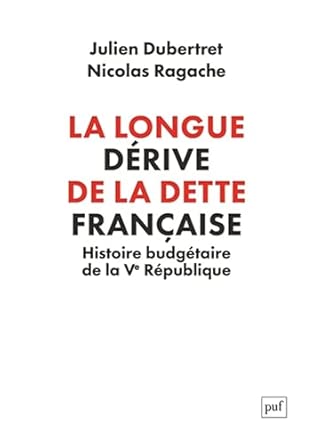
Reading the book will be particularly useful for future candidates in the 2027 elections, as the
drift in French public debt has reached such a level that its mere
stabilisation requires increasingly technical and radical reforms. The authors clearly show that the slippages in public spending and compulsory levies result from political compromises or non-decisions on the part of both right- and left-wing governments. The retrospective covers the period from 1958 to 2025, marked by four sequences: from 1958 to 1980 (balance, the key to the Fifth Republic); from 1981 to 1997 (imbalance, the new norm); from 1997 to 2007 (European collective balance, a fragile safeguard); and since 2007 (balance, crises, imbalance). Each sequence has three phases, which reveal little-known aspects of the history
of the French budget, such as the budgetary slippage following the oil
shock, the “turning point of austerity” in 1983, which was austerity in name only; the
reasons for the failure of the “Juppé plan” of 1995; the errors in macroeconomic
forecasts, particularly in 2025…
The study clearly shows that successive governments, regardless of their political leanings, have made – or failed to make – certain decisions that have had long-term detrimental effects on public finances. The drift in expenditure is due in particular to the increase in public expenditure, with the number of employees (estimated
at 5.9 million at the beginning of 2026) in State, local and hospital functions
having increased by more than 20% over the
last 20 years, compared to 15% for the French population as a whole. The multiplication of social benefits through various channels (in particular that of tax niches), the decentralization of certain State functions to local authorities and France’s contribution to the Community and then European budget have been increasingly difficult to control.
France has thus reached the highest rate of compulsory levies (with increasingly declining returns) in the OECD. The authors conclude by stating that the debt has reached a “limit point” and that any recovery will be all the more difficult due to the country’s political instability.
Jean Dubertret was an adviser to the Prime Minister, a senior official at the Inspectorate of Finance and an expert at the IMF. Nicolas Ragache is Chief Economist of the AFEPafter having been a ministerial adviser.
Jean-Jacques Pluchart