

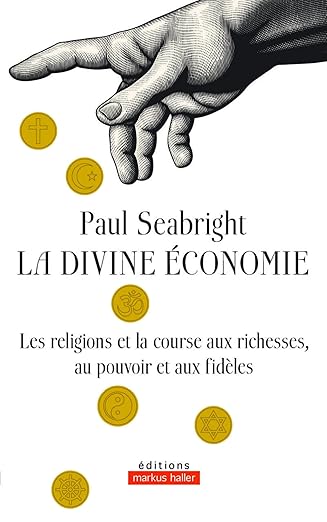
In the 21st century, religion is thriving worldwide, despite its apparent decline in certain parts of Europe and America. Throughout history, various religious movements have engaged in fierce competition for wealth and power.
In this book, the author argues that religious movements are a particular form of enterprise and, as such, are something quite different: they are communities, sources of inspiration or concern for outside observers, crucibles of ambition and frustration for recruits, or the stage for the fulfilled or dashed hopes of those who invest their lives or fortunes in them. It is the diversity of services offered that has enabled religions to consolidate their power and exercise it.
If one were to take the title’s “promise”—which suggests presenting religions as a political economy—at face value, one would be disappointed. But that would be a mistake. While the book is brief on this subject, it is exhaustive in sociological terms, and it serves as an academic review of the history of the development of religions. The aim is not to confirm the concept of “natural religion” dear to René Guénon, but to explain why—apart from any spiritual need, which is not denied but not addressed here—and how religions emerged, developed, and became established; from spiritualist religions to historical and contemporary monotheisms.
This book attempts to address certain difficult questions in three categories: What individual needs do these religious movements fulfill? Is religiosity a collection of diverse traits with no common ground? Why has it been said that, on average, women are more religious than men? Why does religion seem to be in decline in some parts of the world and flourishing in others? Next come questions related to their organization. Finally, there are political questions concerning power, its uses, and its abuses.
“Religions owe their current form to the competition among these service platforms to attract new members and new resources—a competition that will determine the scope of action for religious movements and their political supporters in the coming century.”
The book is structured like an academic text: at the beginning of each section and chapter, there is a summary of what follows. This makes the book easy to read, understand, and remember.
Anyone interested in this timely topic—in our uncertain world shaped by the influence of religions—should read this outstanding sociological work!
Dominique Chesneau