

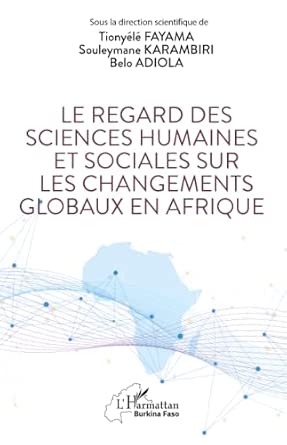
The authors examine the economic and social developments taking place across the 54 countries of the African continent. They observe that these developments are becoming increasingly uneven. Population growth is among the highest in the world: Africa’s population is expected to increase from 1.5 to 2.5 billion inhabitants between 2025 and 2050; at the global level, one in three young people will then be African. Although economic growth remains robust (an average of 4% in 2025), significant differences can be observed from one region to another. Growth appears to be more sustainable in East and West Africa than in North and Southern Africa. The average level of public debt remains moderate (around 60% of GDP), but varies considerably from one country to another. China, Turkey and the Gulf countries are gradually replacing Western countries as major creditors, while international aid (from the IMF, World Bank, etc.) tends to decline.
The authors also observe that Africa is facing global crises—including pandemics, financial crises and energy crises—while also being affected by specific structural vulnerabilities, such as its overexposure to global warming, erratic fluctuations in commodity prices, various epidemics and ethnic conflicts.
The book is divided into three parts. The first focuses on the challenges facing agriculture, which is confronted with multiple difficulties arising from global warming, environmental issues, fluctuations in international markets, lack of financing, and the impact of deforestation on flora and fauna. The authors deplore the insufficient involvement of public authorities and the lack of ethical standards among certain economic actors.
In the second part, the authors examine food and health security. They highlight the progress that has been made, particularly through the efforts of international organizations. They call on governments to make greater use of local authorities and to delegate more responsibilities to them.
The third part addresses the development of the digital economy in economic activities and education and training. The growing influence of social networks and disinformation on African youth is a source of concern for sociologists, who recommend a profound reform of teaching methods in African educational institutions.
The 28 authors are African academics and researchers, engineers, and senior civil servants.
Jean Jacques Pluchart