

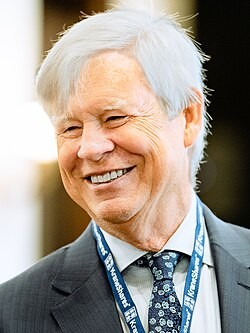
With Benoît Mandelbrot, modern finance was confronted with one of its deepest limitations. Markets do not always behave as classical Gaussian models assume they should. Extreme movements are more frequent, periods of turbulence are more concentrated, and structural breaks occur more often. Financial randomness is not merely continuous and regular; it is often rough, intermittent, and abrupt. Mandelbrot had thus forced finance to confront what the models derived from Bachelier, Wiener, and Black–Scholes–Merton had largely left in the shadows: fat tails, discontinuities, episodes of crisis, and changes of scale. Yet one question remained unanswered. If volatility is not constant, if it rises during periods of stress and declines in calmer phases, how can it be measured? How can it be modeled? How can we move from an empirical observation—that markets experience different regimes of turbulence—to a statistical tool that can be used for forecasting, hedging, pricing, and risk management? Robert Engle provides a decisive answer to precisely this question. His work does not primarily seek to reconstruct the entire edifice of financial theory. Instead, it begins with a simple but essential observation: in financial time series, large price movements tend to be followed by other large movements, while small changes are often followed by other small changes. In other words, volatility clusters into periods. It is not uniformly distributed over time. It has a memory, not necessarily in the direction of prices, but in the intensity of their fluctuations. This property is now known as volatility clustering[1]. It has become one of the most important stylized facts in contemporary empirical finance. In the early 1980s, Robert Engle gave it a rigorous econometric formulation through ARCH models, subsequently paving the way for GARCH models, which would become one of the central tools of modern financial risk measurement. Robert Fry Engle III was born on November 10, 1942, in Syracuse, New York State. His intellectual journey is revealing of the evolution of quantitative finance and economics in the second half of the twentieth century. He began with a scientific education focused on physics before gradually turning to economics. This trajectory is not incidental. Like Bachelier, Wiener, and Mandelbrot, Engle belongs to a family of researchers whose contributions to finance stemmed from a shift between disciplines. He did not come primarily from financial practice, but from a culture of measurement, dynamic models, and the analysis of complex phenomena. [1] Journal of Economic and Social Development (JESD) – Resilient Society, Vol. 10, No. 2, September 2023. After his initial studies, he continued his education at Cornell University, where he earned a PhD in economics. He then taught at the Massachusetts Institute of Technology, followed by the University of California, San Diego, which would become one of the major centers of modern econometrics. He later joined New York University, where his work moved even closer to practical financial applications. This academic trajectory placed him at the intersection of several worlds: theoretical econometrics, macroeconomics, financial markets, and risk management. Econometrics, the discipline at the heart of his work, consists of applying statistical methods to the analysis of economic phenomena. It does not merely describe data; it seeks to identify relationships, test hypotheses, and build models capable of accounting for how economic and financial variables evolve over time. In Engle’s case, this ambition focused on a variable that has become central to contemporary finance: volatility. Volatility was, of course, known before Engle. In Markowitz’s work, it appears as a measure of risk in portfolio theory. In Black–Scholes, it becomes the key parameter in option pricing. In these frameworks, however, it is often treated as a relatively stable quantity, or at least as a value that can be estimated over a given period. Yet observations of financial time series show something quite different. Volatility changes. It contracts, expands, and sometimes explodes. It appears to follow a dynamic of its own. This idea is essential. In a classical model, one may assume that an asset’s returns are random but that their variance remains constant. Such an assumption greatly simplifies calculations and makes it possible to work with a stable distribution of returns. But it is empirically fragile. Markets move through very different regimes. A stock, currency, interest rate, or equity index does not fluctuate with the same intensity in normal times, during a financial crisis, following a central-bank announcement, or in response to a geopolitical shock. Risk is therefore present not only in price levels, but also in the instability of instability itself. Engle made it possible to formalize this second layer of uncertainty. In his landmark 1982 paper, he introduced ARCH models—Autoregressive Conditional Heteroskedasticity. The term may sound technical, but the idea is intuitive. “Heteroskedasticity” means that variance is not constant. “Conditional” means that the expected variance at a given date depends on the information available from the preceding period. “Autoregressive” means that this variance depends on its own past values, or more precisely on past shocks observed in the series. In other words, in an ARCH model, tomorrow’s uncertainty depends on the magnitude of yesterday’s errors or surprises. If markets have recently experienced large movements, the model predicts higher volatility in the immediate future. If recent movements have been small, it predicts lower volatility. This logic corresponds remarkably well to market experience: after a shock, prices do not immediately return to a calm regime. Investors reassess their positions, orders multiply, hedges are adjusted, margin requirements change, and expectations diverge. The initial shock gives rise to a prolonged period of turbulence. Engle’s contribution can be summarized by a simple equation. If an asset’s return is represented as a random innovation whose variance changes over time, then its conditional variance may depend on past shocks. In a basic ARCH model, the conditional variance at time t can be expressed as a constant plus a term involving the square of the error observed in the previous period. The squared error plays a central role: it measures the magnitude of the shock regardless of its sign. A large rise and

Talent management: a strategic lever to unleash productivity
Nadia Antonin In France, productivity growth productivity has been declining since the COVID crisis and has not managed to return to its pre-crisis level, unlike countries such as Germany, which has seen its productivity increase since that time. The sixth report of the National Productivity Council (CNP), published in July 2026, indicates that productivity per capita was only 0.7 points below its 2019 level, but nevertheless remained about 4 points below its trend trajectory. In the digital age, “how can the key economic indicator of technological progress be so poor? Economists have called this the “productivity paradox” (David Rotman, “The Productivity Paradox”, MIT Technology Review – June 2018. INSEE defines productivity as “the ratio, in volume, between output and the resources used to achieve it “. When it comes to human capital management, it must go beyond the mere administration of human It is imperative to implement strategic talent management talent that encompasses a set of approaches aimed at identifying, developing, mobilising and retaining skills, because poor talent management is the worst enemy of productivity. When properly conceived, talent management ensures the sustainability of the company as the epicentre of productivity. It makes it possible to put the right people in the right place, to strengthen their commitment and to promote the optimal use of skills. Many French companies are facing serious challenges in talent management that are weighing on their productivity and performance. Olivier Lagrée, Talent Management consultant, refers to them as “real deadly sins, as it is so difficult to recover from them “. Before examining the various strategies for improving talent management, let’s say a few words about this concept. The concept of “talent management” Professors Robert E. Lewis and Robert J. Eckman, in their article “Talent Management: A Critical Review ” (June 2006) describe three schools of thought regarding talent management: 1) The first school of thought defines talent management as “a set of practices, functions, activities or areas of specialisation typical of human resources departments, such as such as recruitment, selection, development and career and succession and succession ” (J.S. Heinen, C. O’Neill, 2004, Hilton, 2000, Holsen, 2000); 2) the second approach focuses mainly on “the concept of talent pools” (Kessler, 2002, Pascal, 2004); 3) the third approach is based on “talent in a generic way, i.e. without taking into account organisational boundaries or specific positions”. Identifying talent The first step in an effective talent management policy is to identify high-potential profiles. potential. It relies on the ability to assess a person’s natural abilities, motivation and potential for development of an individual. For Van Duyne, poor choices during recruitment can lead to “Caligula-style appointments”, that is, managers do not hesitate to recruit the people they want, regardless of their skills. Providing meaning and strengthening commitment Productivity does not depend solely technical skills. It is also linked to the motivation and commitment of employees. Talent management must incorporate a strong human dimension. Recognising skills, offering opportunities for development, listening to employees and creating an atmosphere of trust are essential principles. The performance of a team depends first and foremost on the well-being and motivation of people. Well-being at work and productivity Academic research is increasingly focused on increasingly in well-being and quality of life at work. According to various studies happy employees are 12–13% more productive. For example, a study by the University of Warwick reveals that well-being at work promotes a 12% increase in productivity among employees, whereas unhappy workers are 10% less productive than average. According to a study by Oxford Business School and British Telecoms, happy employees are 13% more productive than those who are not happy. Putting the right people in the right place One of the main causes of loss of productivity lies in the mismatch between employees’ skills employees and the tasks assigned to them. When there is a mismatch between an employee’s skills and the requirements of their role, the drop in productivity is immediate and has repercussions at several levels of the company. Conversely, a good match between skills and responsibilities promotes performance, autonomy, motivation and quality of work. Making management a driver of talent management Management is a real accelerator of productivity. A manager’s watchwords must be following: motivation, dynamism and team development, professionalism and trust. A charismatic leader will be able to to identify talent, to value skills, to support progress and to offer assignments that match each individual’s abilities. We need to shatter the unflattering image of the French manager that has emerged from recent national and international surveys. When it comes to management practices, France does not come out well when compared with its European neighbours, according to a report by the General Inspectorate of Social Affairs (IGAS) published in March 2025. The real challenge for companies is no longer just about having talent, but about knowing how to bring it out and put them in a position to succeed. Ultimately, effective talent management talent is all the more essential as it is a major issue for France’s competitiveness. By disregarding the skills, merit and potential of its talented individuals, or by creating conditions that drive them to leave the country, France loses some of its driving force, its wealth creators, its skills, etc. It sacrifices its productivity.
ACTUAL INDIVIDUAL CONSUMPTIONAS A REVELATOR OF FRANCE’SECONOMIC POLICY
Jean-Jacques Pluchart The French were recently surprised by the publication of the latest report from the OECD on the consumption levels of its 38 member states. The survey revealed that, on the basis of Actual Individual Consumption (AIC) per capita, France ranks 13th among Western countries, notably after the United States, Luxembourg, Norway, Switzerland and the United Kingdom, but also after Mississippi, considered the poorest poorest US state. Although modest, this ranking was nevertheless better than France’s 25th place on the basis of its GDP at purchasing power parity. This sad observation gave rise to debates among economists in the United States States and in France, in which Nobel Prize winner Paul Krugman took part. The controversy mainly focused on the most appropriate indicator to measure household consumption, to compare it between countries and to monitor its changes over time. The simplest and the oldest is the Gross Domestic Product (GDP) per capita, which measures the creation of value generated within a territory over the course of a year (expressed in current value or purchasing power parity or PPP). Another common indicator is Gross National Income (GNI), which covers the income of national agents net of capital depreciation, and above all the Gross Disposable Income (GDI), which includes income from work (wages, income from self-employment, etc.), income from assets (rents, dividends, interest), social benefits received (family allowances, pensions, unemployment benefits, etc.) and direct taxes (income tax, CSG, CRDS). GDI is generally calculated by Consumption Units (equivalents within a household). However, the ratio now considered to be the most relevant in international comparisons is the indicator of Actual Individual Consumption (AIC) per per capita, which combines three components: the final consumption expenditure of households (on food, housing, transport, leisure, etc.); the final consumption expenditure of final consumption expenditure of NPISHs or Non-Profit Institutions Serving Households (charitable associations, trade unions, religious organisations, etc.); the share of Individualised Public Expenditure Public Expenditure or DPI (attributable to a specific household, unlike collective expenditure such as defence or justice). IPE includes health, education, social action and social housing, culture and sport (subsidised). Collective expenditure (national defence, police, general administration, basic research, etc.) serving the community as a whole, are excluded. The comparative developments over the last ten years of GDP in PPP and the CIE are particularly illuminating. They show that France is steadily falling in the ranking on the basis of the first indicator, but that it remains stable on the basis of the second, which reflects the relative decline (compared to other countries) in the production and gross income of the French, but that this decline is offset by an increase in social transfers in all their forms. This observation confirms the policy of the successive French governments over the past decade. Their policy, more than in most other OECD countries, has remained more focused on consumption than on production. This “French exception” – like all exceptions – risks, however, no longer being sustainable.

TWO MESSAGES FROM JEAN-CLAUDE TRICHET FOR THE NEXT FIVE YEARS
Jean-Claude Trichet is a former Director of the Treasury, Honorary Governor of the Banque de France, former President of the European Central Bank, President of the Académie des Sciences Morales et Politiques, Honorary President of the Bruegel Institute (Brussels) and the Group of 30 (Washington)… and President of the Jury of the Prix Turgot. I would like to highlight two key messages for the five years following the presidential election of April and May 2027. For France, the courageous restoration of public finances. This consolidation effort is essential, as the current situation not only hampers only the country’s competitiveness and prosperity, but also undermines its authority in Europe and around the world. For Europe, the next five years will also be crucial. From a long-term perspective, Europe should consider the economic, political and geostrategic conditions that would allow it to make a resolute commitment to a political federation. France would have an important role to play in this strategic thinking. France: restoring public finances Restoring public finances is an essential obligation obligation for the new President of the Republic, the government and the Parliament of our country. A very serious situation, which has completely deteriorated since the great crisis of 2007-2008. Four considerations show the need for a fundamental correction. Firstly, in 2025, our country will devote the highest percentage of GDP to public spending the largest percentage of GDP to public spending in 2025 among all the countries in the eurozone, zone, tied with Finland – more than 57% in both cases. That’s 6% more than Italy, 12% more than Germany and more than 7% more than the eurozone average 1. Compared to the main large comparable European countries, European countries, the recurring overhead costs of the French economy constitute a very serious handicap. Secondly, our country has the highest public deficit in the eurozone in 2025, tied with Belgium (5.1%) and well above Italy (3.1%), Spain (2.5%) and Germany (2.7%). Thirdly, our country is the slowest in the entire eurozone to restore its public accounts. France’s current commitments will lead it to bring its public deficit below the 3% of GDP threshold only in 2029. only. Italy is expected to be at 3% by 2026, Belgium and Slovakia by 2027, and Finland and Austria in 2028. Fourthly, French public debt has been the one which has worsened the most in Europe since the global subprime subprime loans and Lehman Brothers. In 2007, French public debt represented 64% of GDP, the same level as Germany. In 2025, this debt amounted to around 116% of GDP, while the German level was still around 64%. This rapid deterioration in our situation has contributed to a significant correlative deterioration in the quality of our credit rating. At the time of the very great crisis of 2008 and in the following years, the France’s credit rating had not been called into question by national, European and global savers, unlike the five countries that were found themselves in turmoil (Greece, Ireland, Portugal, Spain and Italy). We were then borrowing at an interest rate much lower than theirs and close to that at which Germany was borrowing. Today, France borrows at 10 years, more expensively than Portugal, Ireland, Spain, Greece, and also more expensive than Italy. The relative quality of France’s credit rating has continued to deteriorate since the great crisis of 2008. Recovery measures to be taken from May 2027 This article does not contain a programme. I will not draw up a list of the essential and possible measures to remedy the situation. In any event, a very large number of decisions that could be taken are in the public domain. But the President, the government and the Parliament will have an obligation to achieve results: to convince the country, Europe and the world that France will henceforth be at a “turning point” in the management of its public finances and that it intends to radically change its approach from a medium- and long term. I will simply emphasise two points. First, decide from the outset to initiate the necessary reforms without delay. The consistent experience of recent years shows that waiting inevitably leads to doing only a tiny fraction of what should be done. It is therefore immediately after the elections that the decisions that appear necessary to give credibility to the “radical change of direction”: de-index many benefits 2, increase many user fees, not neglect anything because little streams make great rivers, also in terms of public finances, and – this is crucial – reform pensions without delay, which our European partners have all done 3. The example of Italy is particularly telling: this country decided in December 2011 to raise the retirement age of retirement to 67 years. This vote was passed in the Italian Parliament by a considerable majority. It has not been called into question since. The political cost of these measures would be only a small fraction of the price to be paid by our fellow citizens in the financial crisis that would punish the government’s inaction. Naturally, the new government should simultaneously indicate to our partners and to the Commission that it intends to be below 3%, not in 2029 but as early as 2028 (two years after Italy and at the same time as the target of Finland and Austria). Europe: reflecting on the conditions for the success of apolitical federation Over the past 76 years, since the presentation of the idea of a European Coal and Steel Community by Robert Schuman in 1950, Europe has shown dynamism and resilience, as well as the desire to build an “ever closer union” 2. Social protection expenditure is growing faster than the GDP growth in value terms in 2024 and 2025 (5.3% versus 3.6% in 2024; 3.6% compared to 1.9% in 2025). This trend observed in recent years is obviously unsustainable. Will the next 74 years be marked by the same historical dynamism? The European Union today has many reasons not only to continue its historical

ISSUES AND CHALLENGES OF AGENTIC AI IN THE FINANCIAL SECTOR
Nadia ANTONIN Since 2022, the debates on artificial intelligence (AI) have mainly focused on language models and conversational assistants (chatbots), such as ChatGPT (OpenAI), Copilot (Microsoft), Gemini (Google), Claude (Anthropic) or Chat (Mistral). In this regard, there are different formats of conversational robots, including one based on generative AI using machine learning machine learning and natural language processing. After chatbots and generative AI, a new generation of AI systems is emerging: agentic AI, which is already being used in many sectors. In the financial sector, this technological development opens up significant opportunities, but also raises major challenges. Agentic : a: conceptual analysis “The era of agentic AI has already arrived. Agents are being deployed on a large scale in the economy to perform all kinds of tasks,” said Sinan Aral, Professor of Management, Computer Science and Marketing at MIT Sloan. A report by the MIT Sloan Management Review and the Boston Consulting Group in November 2025 reveals that 76% of executives now consider agent AIs more as colleagues than as tools. Moreover, in less than two years, 35% of companies have already adopted agentic AI and a further 44% plan to deploy it very soon. As the National Institute for Research in Digital Science and Technology (INRIA), agentic AI represents less of a fundamental scientific breakthrough than a functional and systemic breakthrough. For the AI and Digital Council, Digital Council, agentic AI does not constitute a single technological breakthrough but rather corresponds to the combination of technological accelerations. The Organisation for Economic Co-operation and Development (OECD) points out that the concepts of “AI agents” and “agentic AI” are sometimes used interchangeably, which leads to some confusion and a lack of conceptual However, closer examination reveals important distinctions between these two concepts (“The agentic AI landscape and its conceptual foundations”, February 2026). For the OECD, “Agentic AI refers to systems composed of multiple coordinated AI agents that are coordinated, capable of breaking down tasks, collaborating and pursuing complex goals autonomously over long periods of time. These systems are designed to operate in more open and less predictable physical or virtual environments that are more open and less predictable, and to operate with minimal human supervision “. Unlike generative AI, which is limited to producing content, agentic AI, an autonomous autonomous AI system, is capable of acting independently to achieve predetermined objectives. It is delegated a task to perform. It consists of AI agents, machine learning models capable of imitating human human decision-making to solve problems in real time. The main challenges of agentic AI in the financial sector Agentic AI can automate complex processes to improve productivity while reducing operational costs: market analysis and business intelligence, detection of fraud and suspicious transactions, automation of compliance processes, etc. In addition, agentic AI makes it possible to accelerate decision-making thanks to better use of data: improving the relevance of the data used and consolidation of previously dispersed data. Finally, thanks to agentic AI, AI, bankers, insurers and asset managers can offer personalised financial services. Some examples of the use of agentic AI in the banking and financial sector This new AI system is booming in US banks. According to a survey by Ernst and Young and MIT, by 2025, 70% of banking sector executives say their banks are already using agentic AI. In the field, the applications in the banking sector are multiplying. For example, JPMorgan Chase is exploring the use of agentic AI to detect fraud, provide personalised financial advice, automate loan approval processes processes and process legal documents. In France, Société Générale, through its new entity SocGen AI, is transforming its digital transformation by focusing on agentic AI, which it sees as the next major step beyond traditional generative AI. The BPCE Group is relying on AI to automate more processes, while keeping humans at the heart of strategic decisions. Tests are being carried out on different business areas: customer relations, middle and back offices, controls. The main challenges related to agentic AI One of the biggest challenges concerns the question of liability in the event of a failure of an autonomous system. Hence the need to maintain human oversight. In addition, with agentic AI, AI, we face the risks of regulatory non-compliance (GDPR, European AI Act, anti-money laundering, etc.). Regarding cybersecurity, while agentic AI can be put to use (detection of fraud, in particular), it nevertheless creates new threats: attacks by injection of generative instructions (prompts), leakage of sensitive data, leaks, etc. A Senate report of 28 April 2026 highlights that agentic AI accelerates attack capabilities much faster than the installation of cyber defence tools. In addition, the proliferation of agentic AI leads to new systemic risks such as the amplification of market reactions, the increase in financial contagion, etc. Finally, among the ethical challenges of agentic AI, its deployment poses risks of algorithmic bias bias and breaches of personal data privacy. As conclusion, agentic AI now heralds profound changes within the finance sector. finance sector. It is gaining ground by automating complex processes, by establishing itself as the new driver of customer relations and improving risk management. However, its deployment raises considerable challenges in terms of governance, regulatory compliance, cybersecurity and systemic risk management. To succeed in this new revolution of artificial intelligence, it will be necessary to combine agent autonomy, human supervision and regulatory compliance. As Bpifrance points out, agentic AI, AI, however powerful it may be, has its limitations and risks. “The balance between autonomy, supervision and human responsibility remains essential to ensure the reliability and the ethics of the decisions made.”

THE RETURN OF MILTON FRIEDMAN
Jean-Jacques Pluchart There has been a renewed interest in Milton Friedman’s thinking in recent weeks, as the US economy is marked by a return of inflation, a stagnation of real wages and a rejection by the courts of the customs duties imposed by the new US presidency. After studying economics and mathematics, Milton Friedman (1914-2006) was the assistant to Simon Kuznets, the “father of GDP”, and then a lecturer and researcher at several American universities, notably Stanford. He was involved in the design of the Marshall Plan before receiving the Nobel Prize in Economics (1976). He was notably the inspiration behind the Chicago School and the anti-staginflationary policies initiated at the end of the post-war boom in the United States and the United Kingdom – and to a lesser extent in continental Europe – during the 1970s and 1980s. He has published numerous books, including A Monetary History of the United States, 1867–1910, Inflation and the Monetary System, and Capitalism and Freedom. His thinking is unfairly summarised by a few simple formulas according to which “business has an economic and not a social role”, or “the market is better than the State for the conduct of economic activity”. But he actually developed an original and prescient way of thinking on the “inflation-unemployment” dilemma, on the missions of central banks, on the trade-off between freedom and equality, and on the role of education in reducing inequalities. Milton Friedman became known for his analysis of the 1929 crisis and for his criticism of the “Fordian compromise” and especially of the Keynesian analysis of consumption. He argued that the latter did not depend on household income at a given time, but rather on the perception of their “permanent income” in the medium term, which he described as “adaptive anticipation”. If the future is perceived as stable, agents tend to consume, and if the economic situation is perceived as unstable, they tend to save. But above all, Milton Friedman is the “champion” of entrepreneurial freedom and market competition. He opposes all situations of monopoly, “free rider” or market dominance. He denounces Keynes’ “error”, according to which “inflation combats unemployment”, and he criticises the “Phillips curve”, according to which the unemployment rate is inversely related to nominal wages (“the greater the increase in wages, the lower the unemployment”). He considers that the key indicators are real wages and not nominal wages, as well as the “natural rate of unemployment”, that is to say the minimum rate below which a State cannot boost employment through purely cyclical measures. He thus criticises the “monetary illusion” whereby the unemployment rate does not depend in the short term on changes in nominal wages and prices, but rather in the long term on changes in real wages and employment. He thus inspired the famous NAIRU and NAWRU indicators (non-accelerating wage rate of unemployability), which arecurrently closely monitored due to the resurgence of unemployment and inflation in some countries. Friedman also argues that the “arbitrator state” must confine itself to exercising sovereign functions (justice, security, transport), guaranteeing competition in the markets and refraining from any regulation that might limit the efficiency of the markets. The state must avoid increasing the “compulsory expenditure” of businesses (which weighs on their investments) and households (which reduces their consumption). It must favour measures that promote the mobility of the factors of production, and in particular of talent, in order to “limit the simple reproduction of the elites”. Like Tocqueville, he considers that inequalities are “fair” when they are justified by talent and/or work and not by situations of rent. He is in favour of competition between public and private schools and universities in order to develop capacities and skills, and to reduce the costs of education. Milton Friedman is the champion of monetary orthodoxy. He denounces the “versatility” of governments and central banks in monetary matters, as well as the cult of the gold standard. He recommends applying a stable “rule”, believing that the role of a central bank is first and foremost to pursue an anti-inflationary policy (the inflation rate must, according to him, be between 2 and 2.5%) by setting interest rates to regulate credit and by providing forward guidance that gives indications on the future direction of monetary policy. On the fiscal front, he opposes progressive income taxation (with the exception of very high incomes), but he is in favour of low taxation of dividends and high taxation of inheritances, with the exception, however, of “fair inheritances” accumulated through talent and effort, his objective being to promote the efficiency of the financial markets and the equity financing of the most profitable investments. He is opposed to any universal income but is in favour of a “negative tax” for the lowest-income households and scholarships for the most deserving students. A reading or re-reading of Milton Friedman’s numerous publications and communications is therefore essential in the face of the “pressing national obligation” to restore fundamental economic balances

Generative AI and LLMs: towardsblack swans?
Jean-Jacques Pluchart The many stakeholders involved in Artificial Intelligence are questioning the ability of generative AI models and LLMs (large language models) to generate profits for their designers and productivity gains for their users. The latest report from the MIT (MassachusettsInstitute of Technology) entitled “The GenAI Divide: State of AI in Business 2025″, notes that 95% of generative AI programmes launched since 2022 have still not achievedtheir profitability targets among publishers and American user companies. It is true that global spending on AI peaked in 2026, with investment projects estimated at €2.5 trillion worldwide, having more than tripled since 2023. After sharp price increases, the fear of severe stock market corrections is intensifying, and the most recognised experts seem to be unable to predict the timing and extent of the corrections. However, the stock market outlook differs depending on the links in the AI value chain: the stock prices of semiconductor equipment manufacturers (Nvidia in the USA, TSMC in Taiwan, Samsung in Korea) and those of electricity suppliers are on a positive trend; those of data, computing, storage and rental (cloud) centers are uneven; software publishers, such as the GAFA companies, are more uncertain, as are those of European equipment manufacturers (ASML and STMicroelectronics). The AI ecosystem seems to be threatened by the “Thucydides trap”, whereby a rivalry between a leader and its followers often leads to takeovers and sometimes conflicts. The trap threatens industry leaders such as Open AI and Anthropic, who are competing with several application developers, but also American leaders who are being challenged by Chinese designers such as MiniMax M3 and DeepSeek V4 Pro. Western and Asian companies are increasingly testing Chinese applications, which are less expensive in terms of tokens and more energy-efficient. They are also striving to diversify their sources of supply for equipment and applications, for fear of higher fees and a US or Chinese embargo on certain applications. Finally, in Europe, designers and users may be taxed by the governments of the Member States in order to contribute to public investments in the infrastructure (electricity, water, access routes) of digital platforms. For all these reasons, the prospects, particularly the financial ones, of the AI ecosystem can be described as a “black swan” in the sense of Taleb.

THE ETHICAL APPROACH OF AI
In order to limit the effects of the biases that taint the practices of sustainable AI oriented towards ESG, “coalitions” made up of institutions, companies, scientists and think tanks, strive to define ethical frameworks – in the form of codes and charters – based on philosophical, sociological and psychological reflections, but this framework provokes debates between regulators and libertarians. The Foundations of AI Ethics Ethical deliberations on AI practices follow three main approaches: universal, normative, and applied. The first – of an axiological nature and inspired by Kant and Rousseau – is based on the principles and values that underpin life in society: respect for man, truth, justice, nature, etc. The second – called legalistic or prescriptive – covers moral judgments and social values, such as true or false, good or bad, fair or unfair, etc. The third – of a praxeological nature – measures the consequences, externalities or impacts of a system, behavior or object on the economy, nature, society or the person. It is most often applied to new technologies, in particular AI, and to management, in particular sustainable management (Pistilli, 2024). AI ethics frameworks In order to limit their negative impacts on collective and individual thoughts, decisions or behaviors, guides or ethical charters published by companies and normative codes, references and/or regulations issued by regulators (international organizations, nation-states, associations), aim to frame the design of software and the use of their data and results by companies (Constantinides & al, 2024). Codes generally do not have an ethical or moral dimension, unlike charters, guides or, in France, the “raisons d’être” of companies. International institutions such as the OECD, the UN, UNESCO and the G7 have been working since 2019 to establish a “normative ethics” and “global governance of AI”. The Vatican, inspired by the work of Bonanti (2018), who inspired several codes, advocates the advent of an “algorithmic ethics” (or ethics of algorithms) based on the principles of “transparency, social inclusion, responsibility, impartiality and reliability”. Overall, according to Menecoeur (2020), the 126 documents on the ethics of AI identified worldwide are divided between public codes (national and international) and private guides (companies, universities and associations). But the rulers of the United States, the People’s Republic of China and the European Union, as well as the leaders of their digital and/or ESG-oriented companies, have applied rules, codes and ethical guides that respond to often different approaches. The ethical relativism of AI and ESG European texts – and in particular the AI Act – are the subject of intense lobbying, in particular by GAFAM, in order to avoid open source AI and the downgrading of certain generative AI software. Most European think tanks advise strengthening the regulation of AI, such as the Montaigne Institute, which launched the Objectif IA operation for digital training, the CSR Observatory, which strives to put AI at the service of the application of ESG standards, and the Louis Bachelier Institute, which has launched the Good in Tech program to measurethe impact of AI on society. But a collective of 30 global AI leaders denounced the European approach, stating that “Europe has become less competitive and less innovative compared to other regions, and it now risks falling even further behind in the AI era due to inconsistent regulatory decisions”. These reactions show that AI codes and guides are subject to a form of “ethical relativism”, because they depend on both technological and economic factors, but also – and increasingly – on geopolitical and cultural considerations. They are the subject of different readings according to the disciplines, professions and ideologies of the actors of AI and ideology. In the United States, under the influence of the Federal Guidelines for Sentencing Organizations (1991), practical guides (guidelines) are more common among American companies than among European or Chinese firms. The GAFAM have initiated a Partnership on AI which recommends the application of general principles and a collective commitment: “We are committed to conducting open research and dialogue on the ethical, social and economic implications of AI” (Hern, 2016). But the interpretation of these principles differs from one society to another. Google focuses on social criteria (including non-discrimination). Apple displays a charter based on honesty and respect for stakeholders. Meta only declares that it applies the professional standards in force. Amazon takes up the fundamental principles, but paradoxically states that “AI drives humans”; Microsoft and Open AI display “Codes of trust reflecting their cultures and values; they recognize “the potential for bias in algorithms and strive to mitigate their impact”. In Europe, reflections on the ethics of AI were launched in 2015 and led to a regulation aimed at the protection of personal data (Data Governance Act) published in 2018 (but applied in 2023), then a white paper on AI (2020), a directive on microprocessors (Chips Act, 2023) and a directive on artificial intelligence (AI Act) passed in 2024, (but applicable in 2026). These texts strive to manage the risks induced by AI and to promote a “trustworthy AI” based on compliance with laws (Lawful AI), ethical values (ethical AI) and technical skills (robust AI). The principles – borrowed from bioethics – relate to human autonomy (respect for the rights of citizens), the prevention of any infringement (protection of people and property), equity (between users) and explainability (of software). These principles were then broken down into “requirements”: systems (data, software, results) must “remain under human control”; they must be “robust, safe and transparent”. Compliance with the requirements is controlled by so-called “technical” methods: audit of “trustworthy architectures” (Trustworthy AI), control of the application of design standards (X-by-design), methods of explanation, tests, validations and implementations. Non-technical methods complete this system: regulation by codes, charters and guides, certification of systems, orientation of AI training and AI research. Among these methods, the AI Act prioritizes so-called “foundational” AI systems according to three levels of risk to public and private lives: models classified as “unacceptable”, leading to intrusive and discriminatory uses of AI, are prohibited; systems classified as “high risk”, which may affect

Geopolitical shocks and contagion between risk “silos”: the failure of recognition and the illusion of governance
Prepared by Michelle Thomson, QRD®, Chair Florence Anglès, Vice-Chair Contributors DCRO Emerging Topics Subcommittee: Joy Albright; Chukwunomnso Anyichie, QRD®; Cesar Chalhoub; Aku Odinkemelu; Brian Prentice; Mai Shuaibi; David Streliski; Benson Uwheru, Secretary. Originally developed through the DCRO Emerging Topics Subcommittee. Submitted to Club Turgot | July 2026. Geopolitical crises do not stay where they start. What begins as a regional event spreads rapidly through commodity markets, supply chains, financial systems, regulation and corporate strategy. For boards, the defining challenge is not the initial shock — it is recognising how quickly its consequences migrate across the organisation before any single committee has seen the whole picture. Geopolitical crises have become a permanent feature of the global business environment. They rarely remain confined to their point of origin. What begins as a regional event can quickly spread through commodity markets, supply chains, financial systems, regulation and corporate strategy. For boards, the defining challenge is not the initial shock itself but recognising how rapidly its consequences migrate across the organisation. The paper shows that the principal governance challenge is recognition rather than prediction. Boards oversee risk through specialised committees, each performing its mandate effectively. During systemic crises, however, information becomes fragmented. Every committee sees part of the problem; none sees the complete picture. By the time directors assemble an integrated view, cross-silo contagion is often already underway. This structural weakness is described as the Governance Illusion. Drawing on the 1956 Suez Crisis, the 1973 OAPEC Oil Embargo, the 1979 Iranian Revolution and the 2022 Russian invasion of Ukraine, the paper identifies a recurring pattern: geopolitical disruption, energy shock, supply-chain disruption, inflation, tighter financial conditions, sovereign stress and long-term structural adjustment. Across all four events, the common governance failure was delayed recognition rather than lack of information. Three analytical tools support earlier recognition. The Potential Cross-Silo Contagion Pathways helps directors anticipate how risks migrate across business functions. The Committee Lag Map explains why committees receive signals at different moments, delaying enterprise-wide understanding. The Asymmetry Map identifies the regions and structural conditions where contagion is most likely to emerge first, enabling boards to focus on leading rather than lagging indicators. Each tool is presented as a visual framework in the full paper. The historical evidence also highlights three recurring governance failures: concentrating on immediate impacts while overlooking second- and third-order effects; assuming geographically distant crises will remain contained; and underestimating how individually manageable risks interact to create systemic disruption. These structural weaknesses are reinforced by behavioural biases including confirmation bias, threat rigidity and bounded rationality. Recommendations Three recommendations emerge. First, establish an Integration Function capable of consolidating information across board committees into a coherent view of systemic risk. Second, appoint a Designated Challenger responsible for questioning prevailing assumptions, exploring alternative scenarios and ensuring weak signals receive appropriate attention. Third, complement these structural changes with behavioural discipline through regular cross-committee dialogue, explicit consideration of second-order effects and continued vigilance during periods of apparent stabilisation. Geopolitical shocks cannot be prevented, but governance failures can. Boards that integrate information, challenge assumptions and recognise cross-silo contagion early will be better positioned to protect long-term value and strengthen organisational resilience in an increasingly interconnected world. The full paper, including the analytical frameworks and historical case analyses, is available at

THE STRANGE DEFEAT OF FRANCE IN 1940 AND OF EUROPE IN 2026
Jean-Jacques Pluchart Now that Marc Bloch has just been interred in the Panthéon and is thus held up as an example to the French, it is advisable to read or reread his book entitled “L’étrange défaite” (The Strange Defeat), in which he examines the reasons for the debacle of the French army and the discouragement of the French in 1940. The reader cannot help but be confused by the current resonance of his observation. The France of yesterday, invaded by German mechanical force, seems to foreshadow the Europe of today, threatened by American digital supremacy and Chinese commercial domination. As a captain in the 1st Army in 1939, Marc Bloch clearly observes the errors of the strategists, the indecision of the tacticians and the disarray of the troops. He notes that the general staff, which is surrounded by “too many agencies”, retains, in the face of the enemy, “the cult of beautiful paper” and “bureaucratic reflexes”. He observes “a whole network of cronies around the rulers who redouble their devotion and intrigue”. He confesses “the bitter aftertaste left by this war, which was badly conducted and ended even worse”. After criticising the “diplomacy of the Treaty of Versailles and the invasion of the Ruhr”, he deplores the spirit of Munich and the political instability that drives the French political class. He welcomed “the attempt of the Popular Front”, but regretted “that it succumbed because of the follies of some of its supporters”. He criticised the role of the press, dominated by a “bourgeois elite concerned with its own interests”. He mocked the “old “preachers, who over time have amassed a whole arsenal of verbal patterns to which their intelligence clings like rusty nails”. He lamented a “resignation of the elites” and a renunciation of effort by the French. Marc Bloch went further by attributing the cause of the defeat to the “government of old men” in France in the 1930s. He attributed much of the country’s ills to the teaching at the École de Guerre, which focused on the tactics of Napoleon’s armies and the trench plans of the Great War. He advised his sons to “reflect on the faults of their elders”, adding “that he would not have the presumption to draw up a programme for them”. He criticises the Vichy government for proposing “only a return to the land and to the values of yesteryear, elevated to the status of virtue”. like the amercan Republicans, the reader of Marc Bloch cannot help but think that today’s Europe, the “land of arts and culture”, is perpetuating the Europe of the 1930s, which Marc Bloch described as a “museum of antiquities”. Marc Bloch, a history professor at the Sorbonne, argued that countries in difficulty should learn from the past. Through his book, 83 years after his death, he gives us his final lesson.