

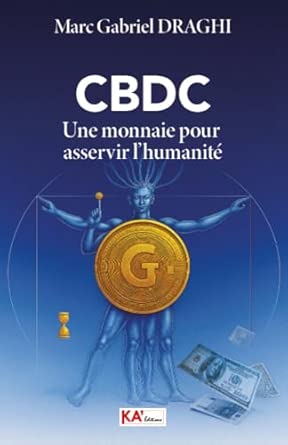
This is an essay on the “hidden” dangers of digital currency. As central banks around the world prepare to roll out their digital currencies (CBDCs), a historic shift is brewing in the shadows, according to the author. This incisive and accessible investigative book delves into the heart of this silent revolution of technologies presented as innovative, secure, and practical, when “CBDCs actually conceal a logic of permanent surveillance, the extinction of cash, and algorithmic control of populations.” The author deciphers what he claims to be the real objectives of this technology, its intertwining with artificial intelligence, social credit, green passports, and digital identities. He highlights his vision of a global agenda, “shared by both Western institutions and emerging powers (BRICS+, etc.), aimed at establishing a cashless society, driven by algorithms and subject to behavioral compliance criteria.”
However, the book does not mention the advantages of central bank digital currencies, nor the risks inherent in their implementation, nor the measures envisaged to manage these risks. There is a negative, even conspiratorial bias in some pages: “there is a technological mechanism which, under the guise of progress, threatens the autonomy of peoples and the very survival of humanity.” And again, “the ultimate goal of the financial elite is clear: to enslave humanity through eternal debt that people will carry until their last breath.” It is therefore not surprising that the information on this subject provided in this book is incomplete.
This book claims to be an “intellectual weapon for resistance”: by calling for the reappropriation of monetary sovereignty, the preservation of gold and silver metal, and a questioning of the all-digital approach, the author « urges us not to become spectators of the fourth industrial revolution, but to actively challenge its most dangerous excesses.
We must inspire the world and Europe by proving that an alternative is possible: reintroducing gold and silver, restoring the franc, and driving the merchants from the temple ».
Marc Gabriel DRAGHI is a lawyer and essayist.
Dominique Chesneau