

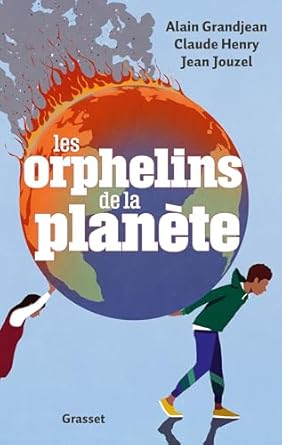
The authors respond to the main questions raised for more than ten years by the impacts of global warming and by energy and ecological transitions. They recall the alarms launched since 1990 by the IPCC and other official bodies, as well as the ambitions (often disappointed) displayed in the 29 Conferences of the Parties (COP) organized since 1995. They stress the importance of the COP 21 held in Paris in 2015, which set the goal of limiting global warming to 1.5°C by 2030 and achieving carbon neutrality by 2050. The authors reveal that the IPCC reports have been the target of a real climategate, orchestrated by the energy companies, which have tried to discredit the IPCC’s data, processing, and conclusions through complacent studies. They also denounce the banks that continue to finance projects that harm the environment. They point out that the multiple consequences (especially on human health) of greenhouse gas (GHG) emissions are better documented and that a warming of 3°C, or even 4°C, would be catastrophic for the planet and humanity. They warn of the severity and simultaneity of the latest natural disasters (drought, floods, etc.).
The authors are optimistic, however: they identify the devices to be implemented in order to achieve the objectives set by the COP: new instruments of “green finance”, alternative systems of heating, transportation and production, ecological materials… They show the progress of agroecology to preserve the soil and absorb GHGs, as well as the emergence of geoengineering that extracts carbon monoxide from the atmosphere. They hold up European countries as examples for the least energy-efficient nation-states, such as China and the United States.
Alain GRANDJEAN is the co-founder of the firm Carbon 4. Claude HENRY is an honorary professor at the Ecole Polytechnique and the University of Colombia. Jean JOUZEL was a member of the IPCC.
Jean-Jacques Pluchart